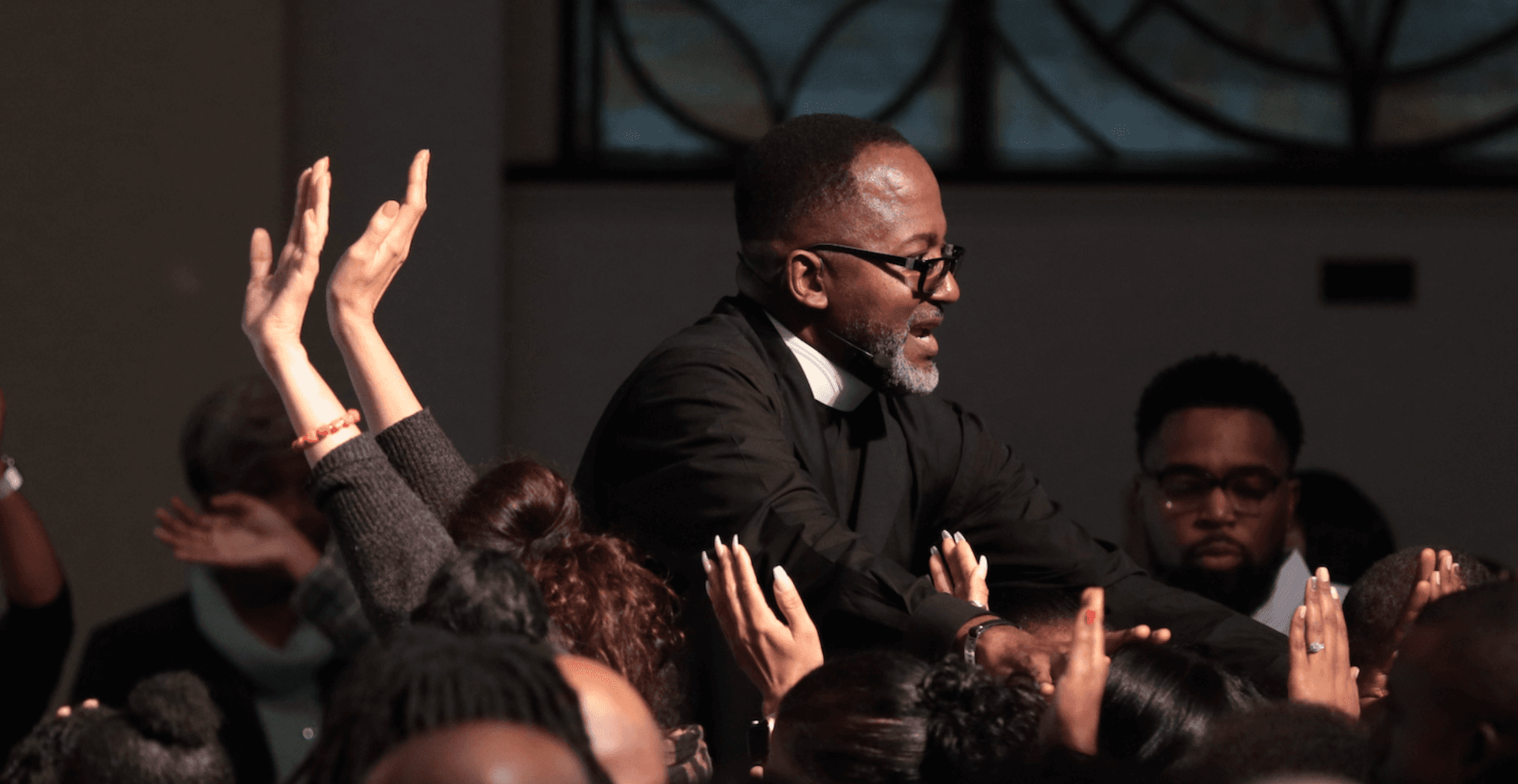
(Sacramento, CA) If you ask Bishop Parnell Lovelace Jr. what defines his legacy, he won’t start with titles. He’ll talk about people.
Rather hear the conversation?
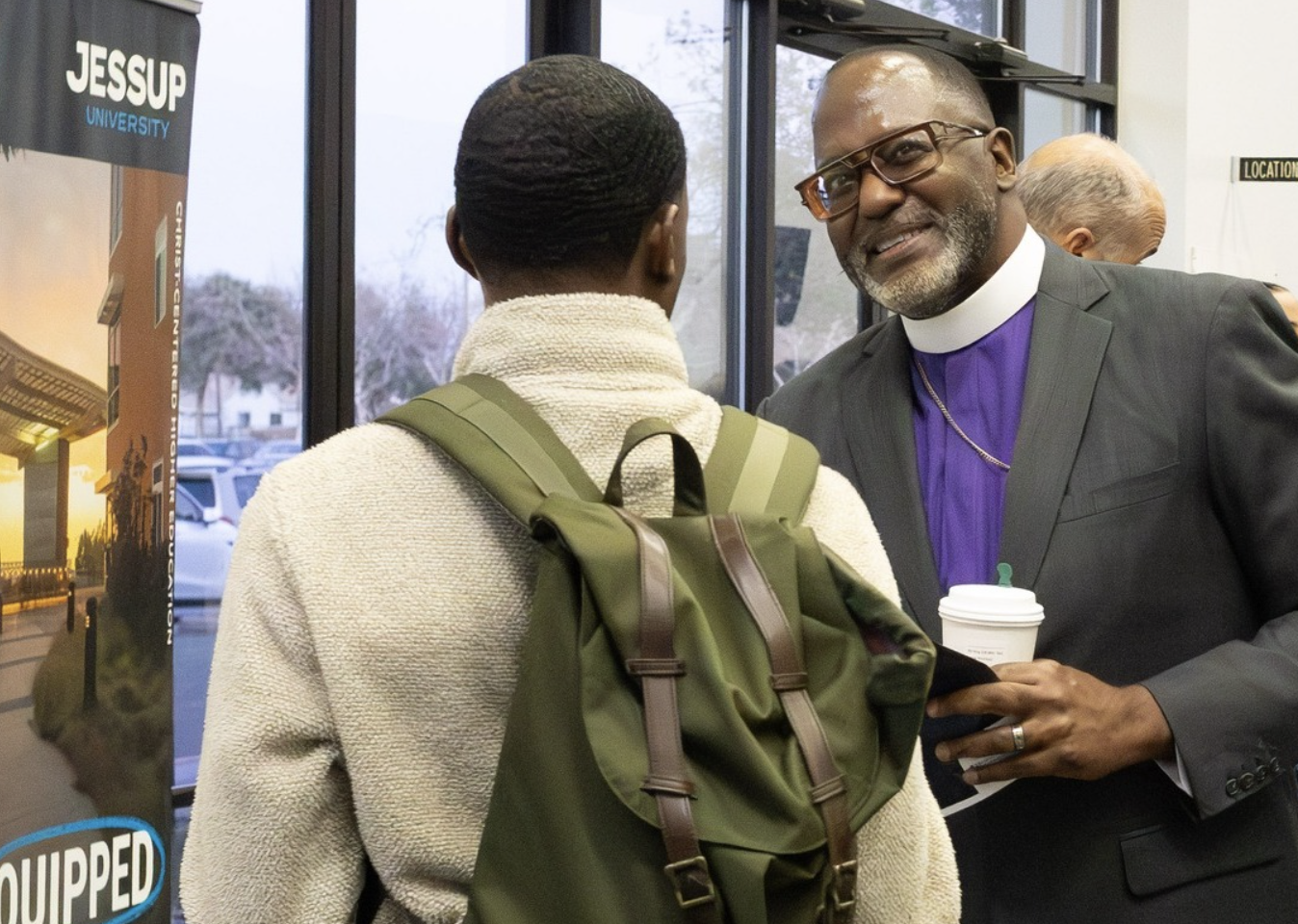
For more than three decades, Lovelace has been a steady, faith-filled presence in the Greater Sacramento region—pastoring, mentoring, advocating, and quietly helping to reshape systems that too often leave people behind. He is the founding pastor of Center of Praise Ministries in Midtown Sacramento, now a multi-site church with a far-reaching footprint in social action and community transformation. He also serves as interim president of William Jessup University, one of Northern California’s premier Christian universities.
But talk with him for just a few minutes, and it becomes clear: leadership, for Bishop Lovelace, has always been about stewardship.
“I planted the church 36 years ago with a literal handful of people,” he says with a smile. “And I’ve been blessed to watch God use it to touch lives for the Kingdom.”
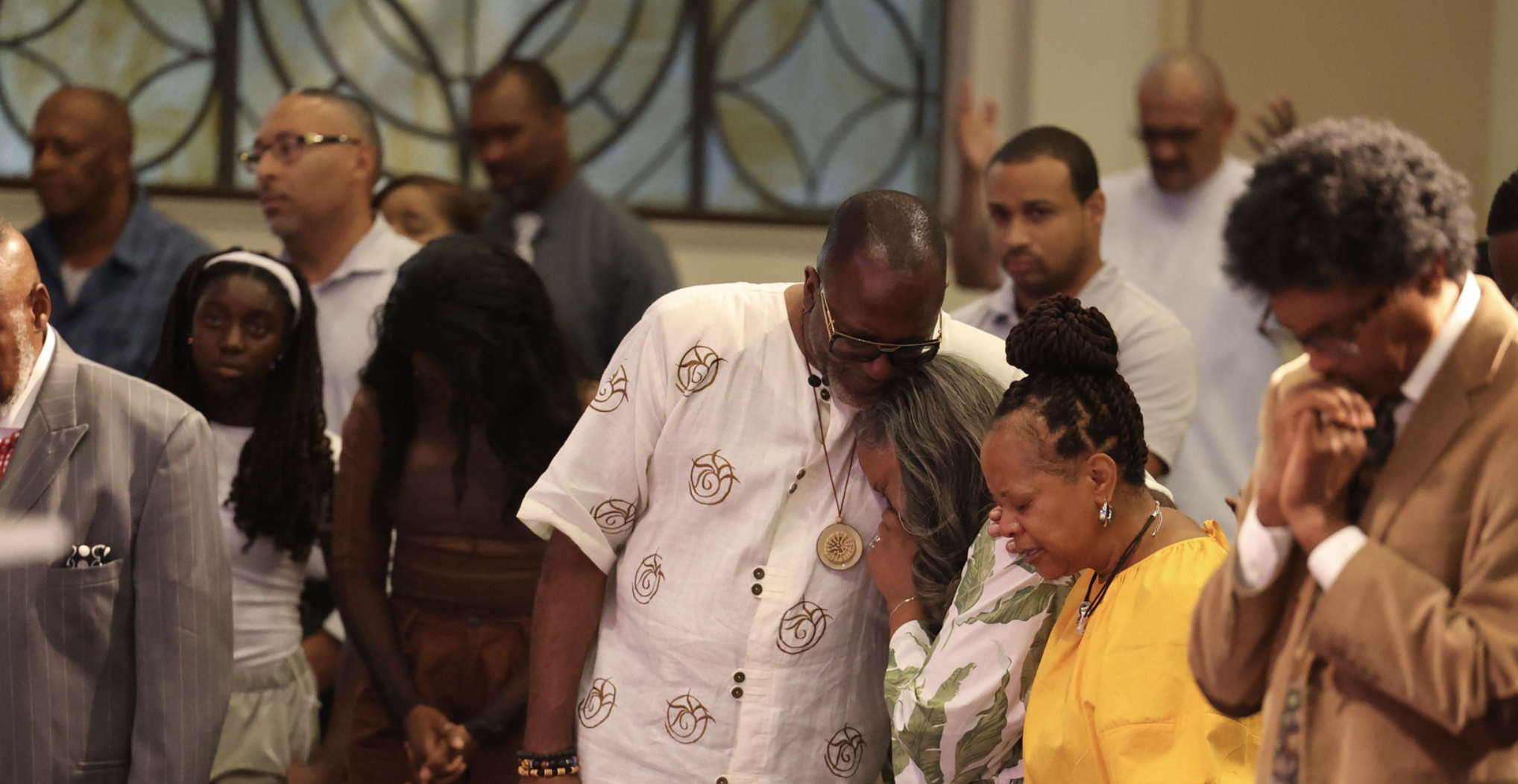
After decades of pastoral leadership, Lovelace’s role expanded into higher education—first as vice president of community, then vice president of diversity, reconciliation, and unity at Jessup University, before stepping into his current role as interim president.
“It’s been a journey—a good journey,” he reflects. “What excites me most is seeing students’ lives transformed. These are the leaders of the future. Watching them grow in their faith and their heart for the community—that’s energizing.”
That sense of excitement is rooted in hope. Lovelace believes deeply in the power of education when paired with spiritual formation, especially for students who may not otherwise see themselves reflected in traditional leadership spaces.
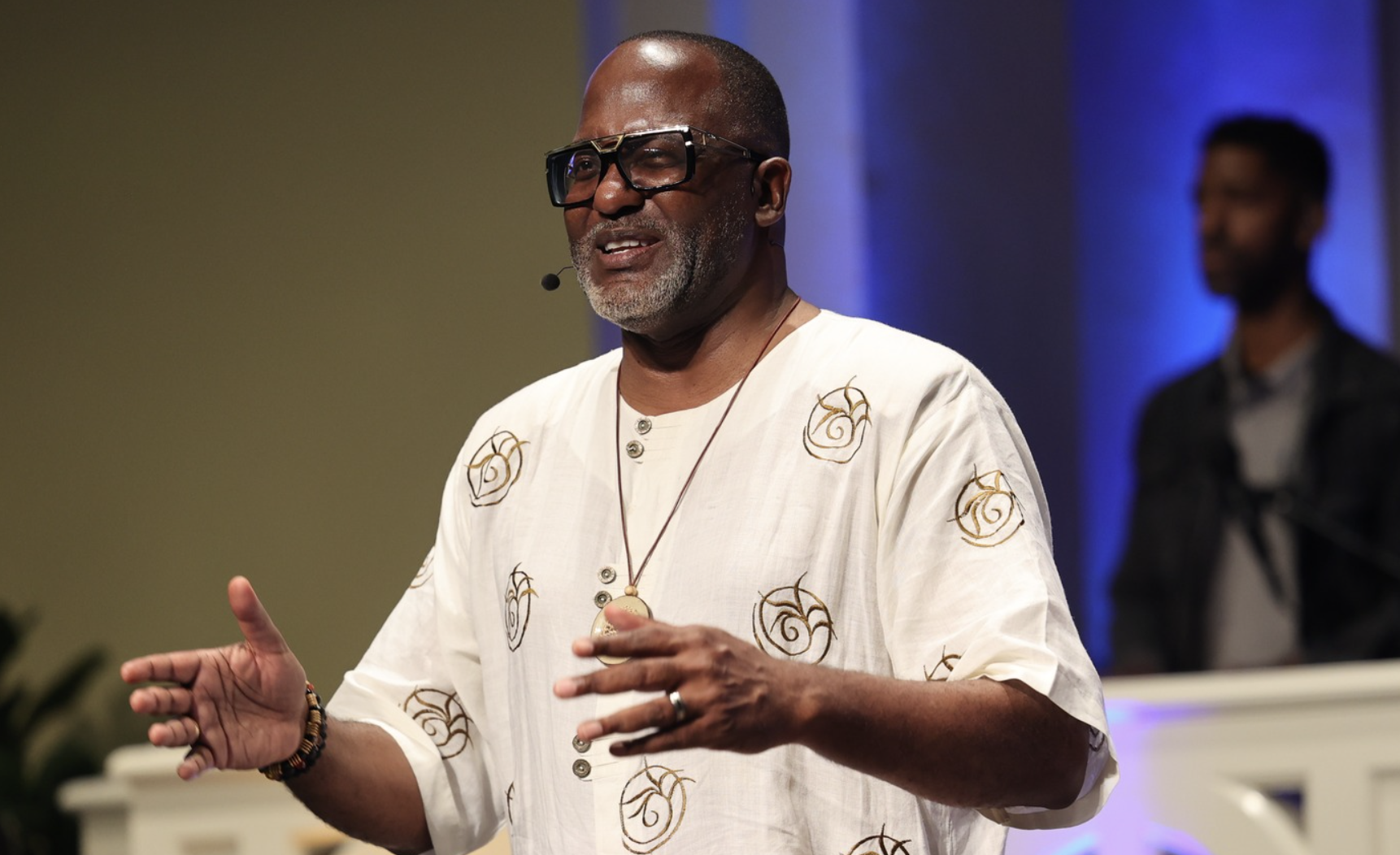
Having watched Sacramento evolve over several decades, Lovelace speaks candidly about both the progress and the persistent challenges facing the region.
“The economic landscape is shifting,” he says. “And while there’s growth, I’m always asking: who’s being left out?”
Housing affordability, access to healthcare, and economic inclusion remain pressing concerns—especially for families and young adults trying to build a future in a rapidly changing city.
“We’ve made progress, yes,” he says. “But the gaps haven’t closed yet. There are still people without a seat at the table.”
At the same time, Lovelace sees opportunity. He points to growing collaboration between church leaders, educators, and community advocates—relationships that are opening doors to meaningful policy conversations.
“The church is here. The community is here. Education is here,” he says. “When we come together, we can help shape change.”
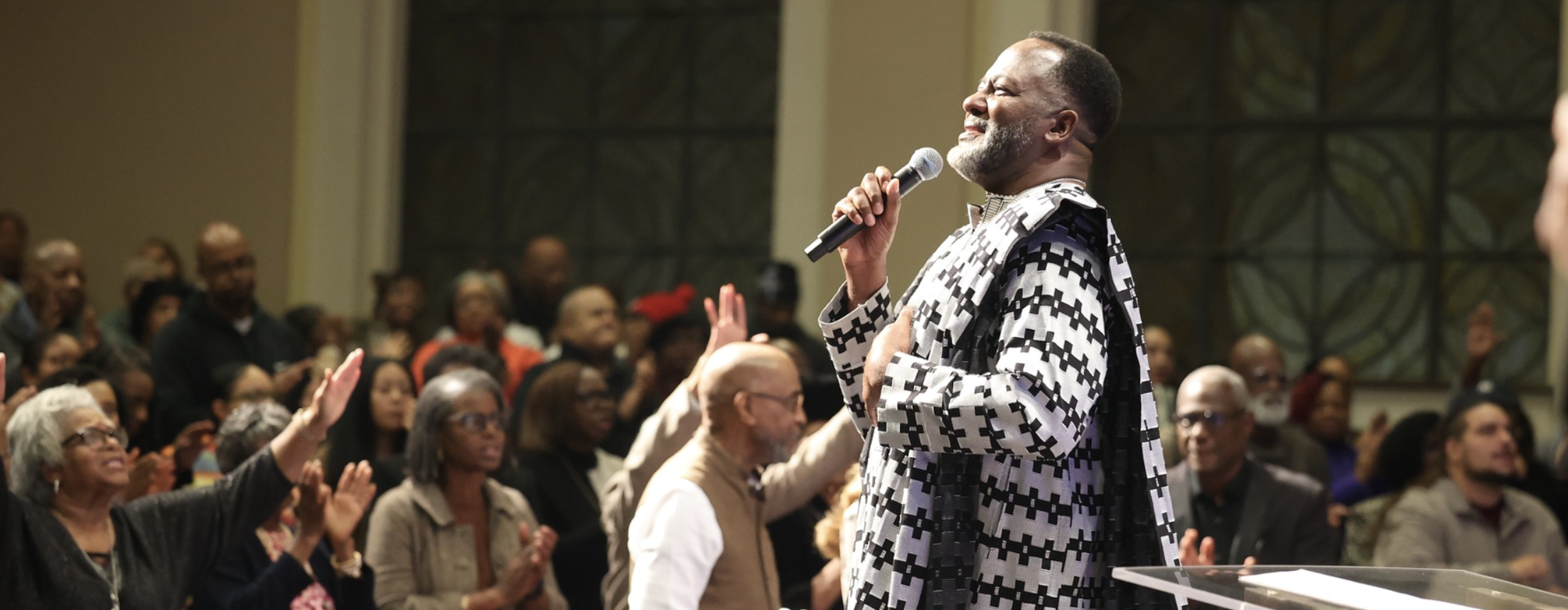
One of the areas closest to Lovelace’s heart is education—particularly for students who’ve fallen through the cracks.
“I’m concerned about how many young people aren’t finishing well,” he says. “Too many are being labeled, disciplined, or dismissed without really being understood.”
That concern led to Center of Praise hosting Miracle University, an independent, faith-informed educational program serving students who were at risk of not graduating.
The results have been remarkable.
“Over the last two years, we’ve seen 100 percent graduation success,” Lovelace says. “These were students who had been written off.”
Founded by Dr. Kadir Raja and his wife Tamra, Miracle University pairs rigorous academics with mentorship, life support, and holistic care—everything from tutoring and transportation to meals and emotional encouragement.
“We don’t just ask, ‘Are you passing?’” Lovelace explains. “We ask, ‘Did you eat today? Do you feel safe? Do you feel seen?’”
Faith is woven into the program naturally, without pressure—creating space for students to understand how spirituality can support their growth and resilience.
Miracle University is just one example of how Center of Praise has intentionally stepped beyond traditional ministry models. From youth-focused music and instrument-building programs to faith-based advocacy work through organizations like PICO California, the church has embraced a vision of faith in action.
“We’ve never been afraid to merge social science with spirituality,” Lovelace says, drawing on his background as a social worker. “The Church was never meant to stay inside four walls.”
When asked what amazes him most after 36 years of ministry, Lovelace doesn’t hesitate.
“Succession,” he says. “Watching the next generation step up.”
He speaks with humility about intentionally preparing others to lead—a contrast, he notes with humor, to models he saw growing up.
“I thought we’d have to pry the microphone out of the casket,” he laughs. “But God gave me a desire to hand it off.”
That desire is rooted in Scripture—and in hope. Lovelace sees himself not as someone guarding influence, but as someone passing it forward.
“I want to go into the promised land with Joshua,” he says. “Whatever God is doing—technology, media, innovation—I want to be part of it.”
In a cultural moment marked by division and anxiety, Lovelace offers a steady word of encouragement.
“Everything else shifts—politics, systems, ideologies,” he says. “But God’s Word remains.”
Rather than anchoring himself to political labels, he keeps his eyes fixed on Jesus.
“That’s what keeps me settled,” he explains. “If I focus on red or blue, I lose sight of the Lamb. But the Kingdom of God stands.”
His message to anyone feeling overwhelmed or hopeless is simple—and deeply pastoral.
“Ride out the turbulence,” he says. “God is faithful. He’s not finished.”
As Bishop Lovelace looks toward the future, his prayer is clear: unity, reconciliation, and a Church willing to walk together.
“God is up to something,” he says. “And I don’t want Him to do it without me.”