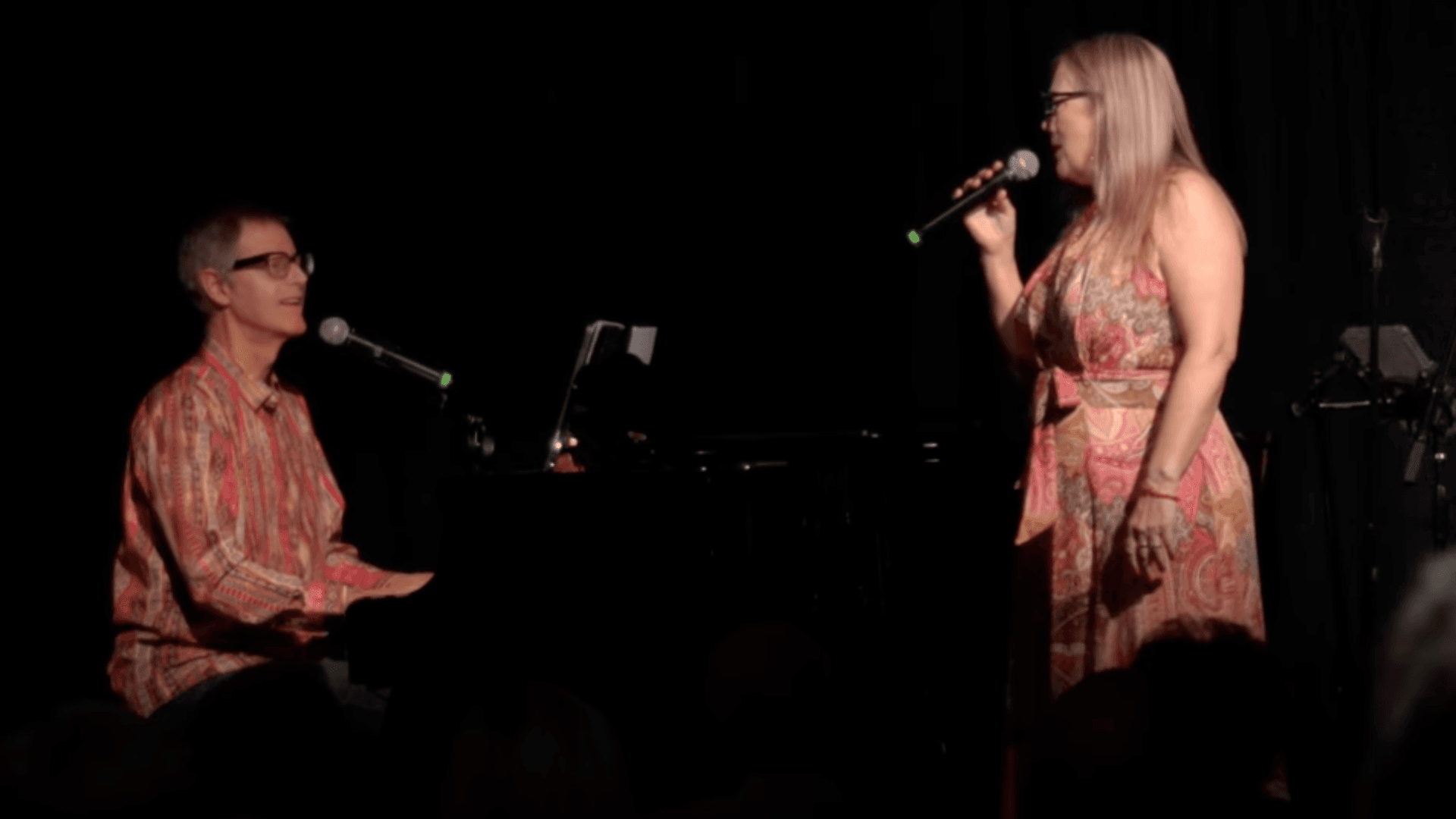
On the 10th day of Mark Burnell’s second coma, his family broke the “two at a time” visitation rule by 23 people.
Each of the 25 were part of what Burnell calls his second family, members of Gorham United Methodist, a historically Black church in Chicago’s Washington Park. It was there that he learned how God can move through music, helping lead worship at the church for the better part of a quarter century.
Burnell’s spiritual siblings sang and prayed for their brother on that Sunday. In the lead-up to the boisterous visit, his heart had stopped twice, leaving doctors to wonder if he would ever resurface.
The next day, Burnell opened his eyes.
Hear how God sustained Mark Burnell through near-death experience and through the healing power of music in our full conversation:
Some might call it coincidence, but Burnell calls it proof positive of two things: God's goodness, and the healing power of music.
That 2006 experience is but one strand in a growing tapestry of God using music and community to shape Burnell. The lifelong pianist, who first began tickling the ivory at age eight, says it’s where he found his purpose.
“I haven’t made a dime doing anything else, and I may have not made a lot of dimes, but I’ve been very happy, and I’ve made other people happy,” said Burnell. “And that’s what I know my mission in life is – that’s my purpose – to entertain people and make them happy with music.”
But a life destined for music-making got something of a wrinkle when the Ambridge, Pa., native suffered a head injury early in his freshman year at Carnegie Mellon University. He was in a coma for a week, but returned to normal less than two months later. For 28 years, Burnell lived a symptom-free life.
In 2002, he began having grand mal seizures as a result of his prior injury. Medication rebuffed the attacks for four more years, but the episodes then returned in force, pushing him into the induced coma that eventually beckoned his church family to flood his bedside offering prayer and song.
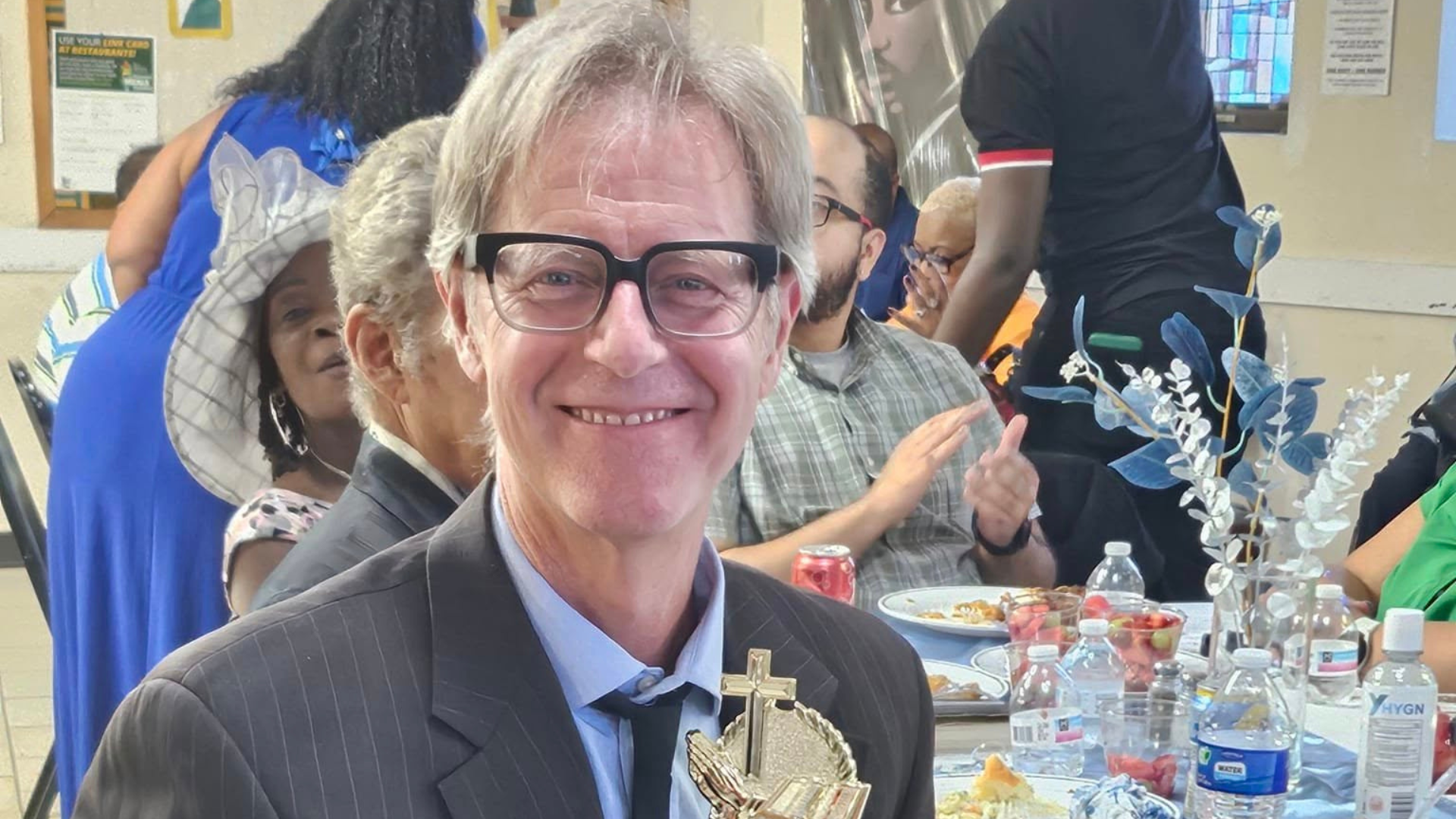
More than 15 years later, Burnell experienced more complications, this time milder “focal seizures” that would happen seven to eight times per month. In January 2025, the seizures doubled. Burnell was again left to wonder if he had come to the end of his song.
“This is when God came to work again,” Burnell said.
A friend and former bandmate of Burnell, Pete Szujewski, had a guy. Burnell and his wife Anne, who has been side-by-side with Mark on nearly every step of the journey, were skeptical.
“Anne and I just rolled our eyes,” Burnell recalls. “We’re like, ‘Yeah, you got a guy.’ Turns out Pete did.”
Szujewski called upon a childhood friend who happened to be the head of neurologic surgery at Mayo Clinic in Jacksonville, Florida. Burnell was presented an opportunity to take part in a clinical trial brain surgery. He and Anne eagerly accepted.
The first phase of the three-surgery procedure involved more than a dozen holes in his skull and several hundred wires connected to his brain. In the second phase, Burnell was asked to be wide awake – playing the keys while Anne sang along.
The surgeons read a live brain scan and extracted the matter that was not being engaged while Burnell jammed out surgery style. After the final step, Burnell describes racing to the piano in a post-procedure haze.
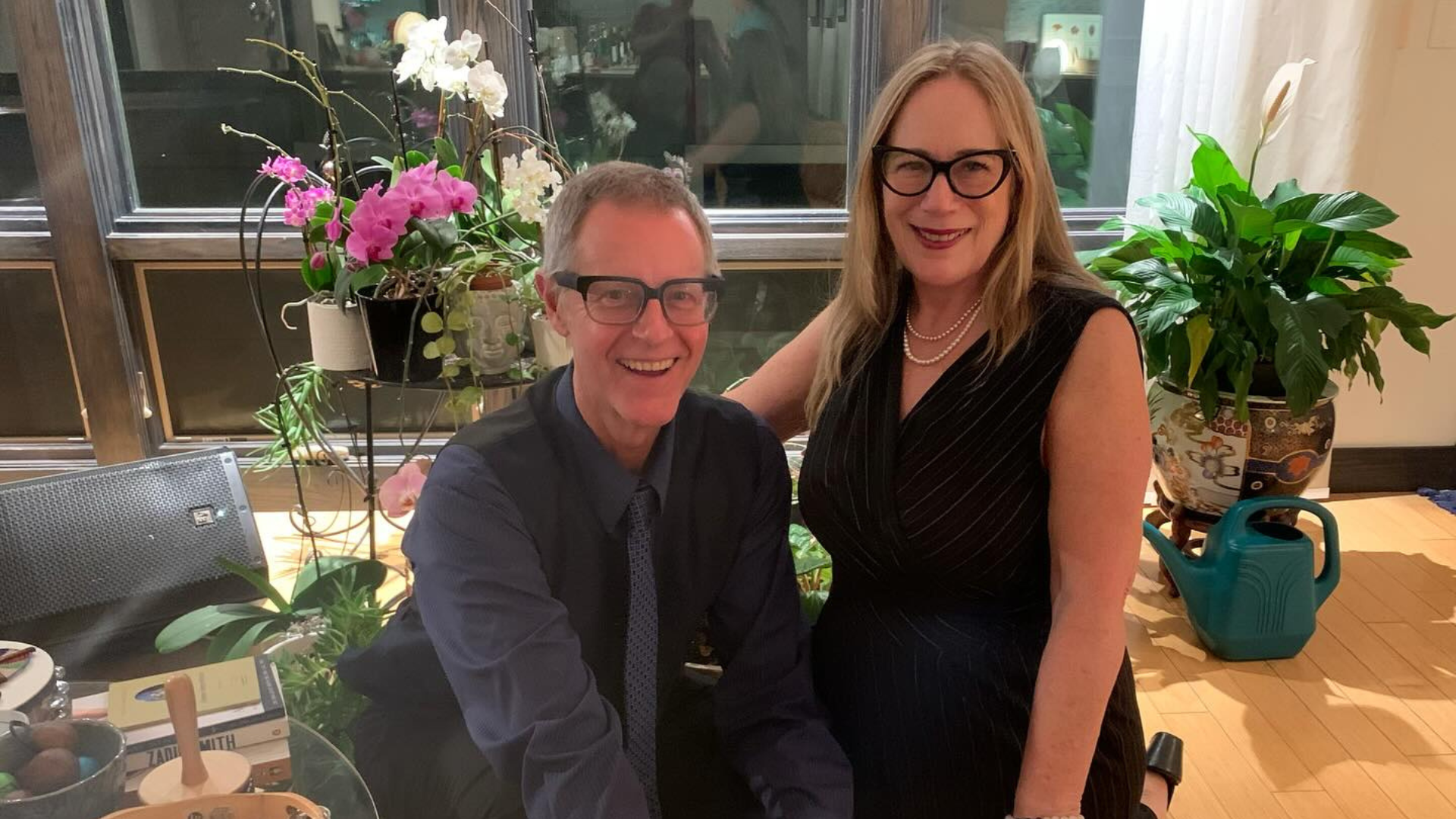
“I sat down at the piano, and guess what? I was able to remember almost everything I tried to play,” Burnell said. “I just thanked God. I just couldn’t believe it. Now, I had some struggles in other departments... but I didn’t care. I could lose a lot of my brain as long I could still make music.”
Three months later, Burnell was back on stage with his partner-in-everything Anne. He’d sat in that position many times before, but this go around felt different. After another encounter with a potential end, he had another shot to entertain, to play, to heal others after he himself had been healed.
“I felt protected, first of all,” Burnell recounted of his return. “Here was the first time I could have been nervous, but I believed in the Lord. I wasn’t afraid. I just thought, ‘Well, okay Lord, here I am.”
Not only did Burnell find a renewed sense of purpose to share the restorative power of music with as many as he could, but he was also reminded of past times when the Creator had used his songs as a remedy for others.
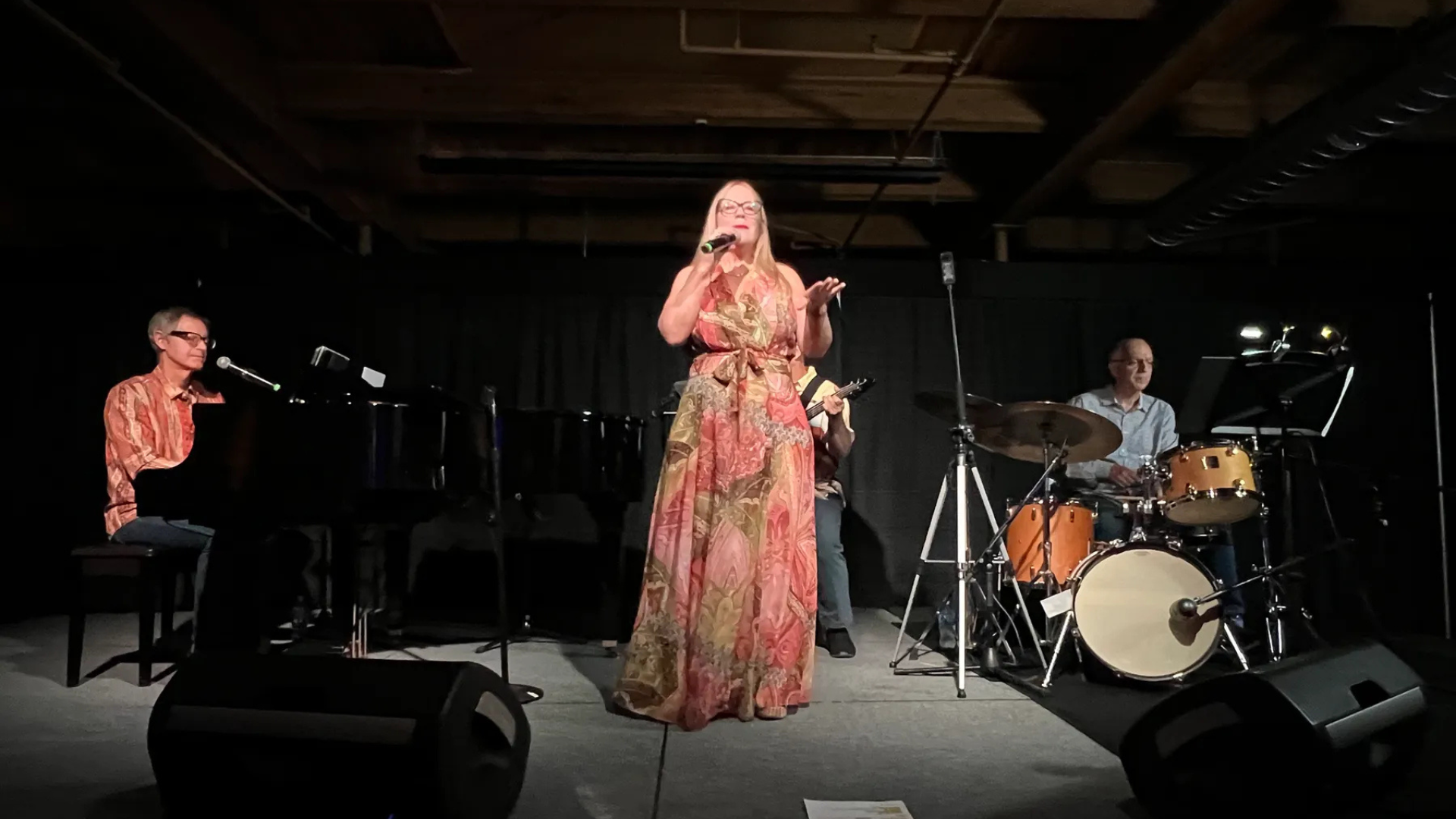
One such instance was at the height of the COVID pandemic, when he and Anne were left without work.
His mother was sheltered in a retirement home suffering from severe Alzheimer’s, and Burnell began playing her songs via video call. After nearly three months of little response, his mother began to sing along when her son played his mother and father’s song, Irving Berlin’s “Always." Amid silence and sickness, music prevailed in her final days.
There are plenty of other examples, like when Mark and Anne held video call concerts for their fans during lockdowns – a weekly performance that Burnell says deeply affected those in attendance, with some using it as a way to know what day of the week it was.
And the Chicago jazz icon knows well that it isn’t just the momentous experiences that music can cure an ailing soul. Each performance, each Burnell Music song played aloud, each note he plays has the power to awaken joy or be a balm to the wounded.
As Burnell, that’s why he’s still here.
“I just felt that the Lord wanted me on the earth so that I could still play music for people,” Burnell concluded.
To learn more about Burnell Music or hear Mark and Anne’s catalogue, click here.