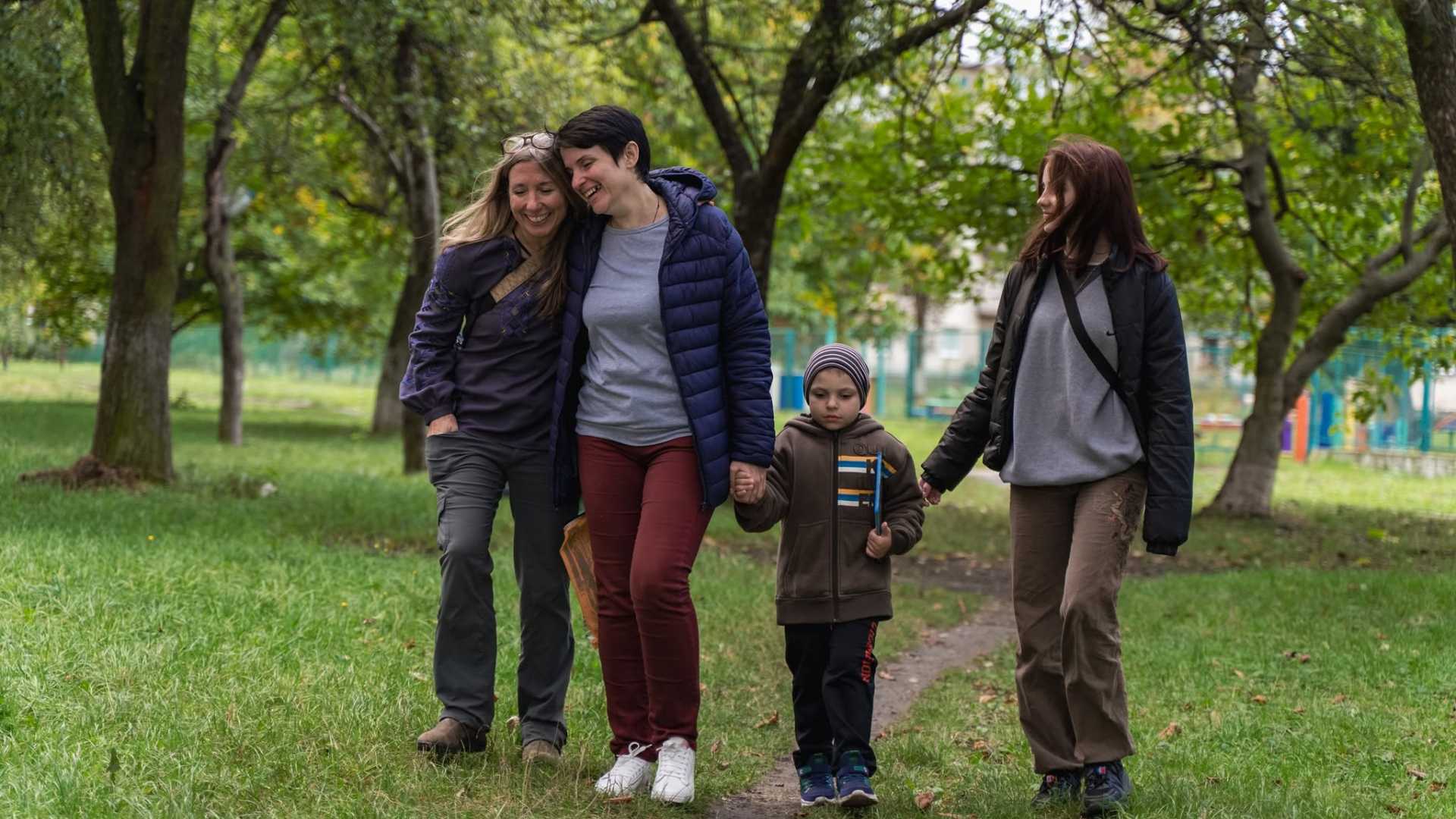
On August 16, 2021, thousands of Afghans flooded the tarmac at Hamid Karzai International Airport in Kabul, Afghanistan, desperate to board American cargo planes after their country fell to the Taliban.
Liz Davis-Edwards watched the images from 6,500 miles away in Boston, seeing a door of opportunity open wide.
Davis-Edwards' life as a marketing executive almost immediately “went out the window” as a plan to serve the incoming wave of refugees was hatched.
Hear how Davis-Edwards turned tragedy into an opportunity to serve in our full conversation:
The opportunity was vast, with around 80,000 of the 122,000 total refugees evacuated that day escaping to the U.S. Government resettlement infrastructure simply could not bear the weight of such a sudden wave.
“There was lots of mess about it and how it should have happened and didn’t happen. In my view, it was God opening up the Red Sea of immigration,” Davis-Edwards said.
“All of a sudden, 80,000 people got out of that situation and had a chance to build a life for their families. That was a testimony of the power of God to take care of his people, and also the power of his people to take care of each other.”
This was the task at hand for the Bostonian, but it wasn’t a new one.
Her family had spent years serving in regions of crisis, where a heart for serving the destitute had grown, and in which eyes for the wandering were opened wide.
Those service trips were formative, Davis-Edwards says, but they never felt complete when they had to return home. Now, great need was on its way to their own backyard.
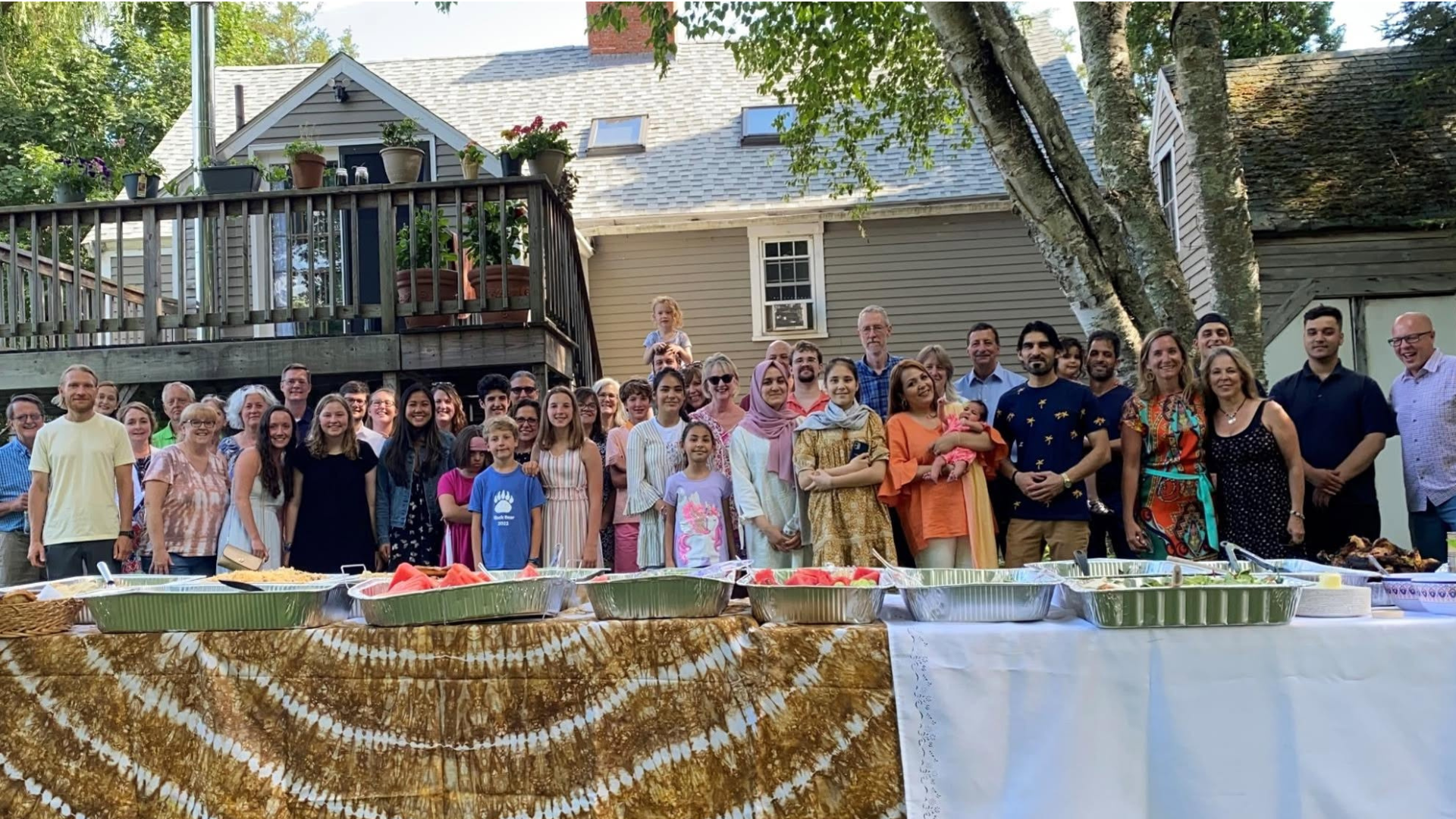
A roadmap was hurriedly set, and almost simultaneously put in motion. The effort would be called Welcome NST, standing for “Neighborhood Support Teams”, a moniker that took Davis-Edwards about three minutes to choose.
Few practical details were known beyond the simple mission: welcome hurting strangers.
1,500 volunteers said yes.
“The other piece of this that was beautiful to see was that people were looking for something to do,” Davis-Edwards explained.
“They were ready. They were already prepared to do something. These people just stepped up without knowing.”
It’s thought to be the largest private resettlement effort to date in the U.S. 400 Afghan refugees arrived from a war-torn country separated from loved ones, from familiarity, and from basic resources.
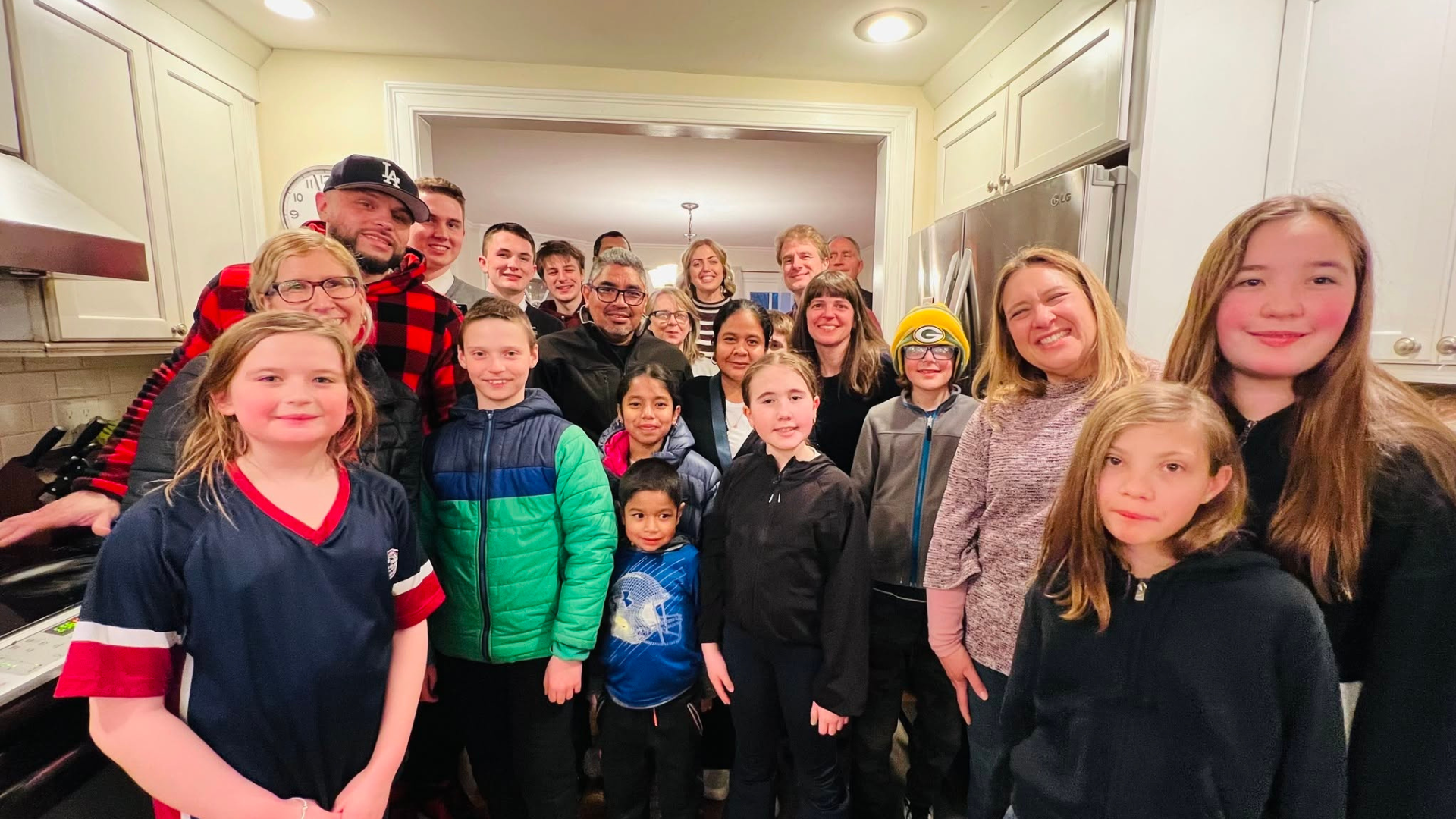
They weren’t just greeted by those willing to help; they were greeted by neighbors.
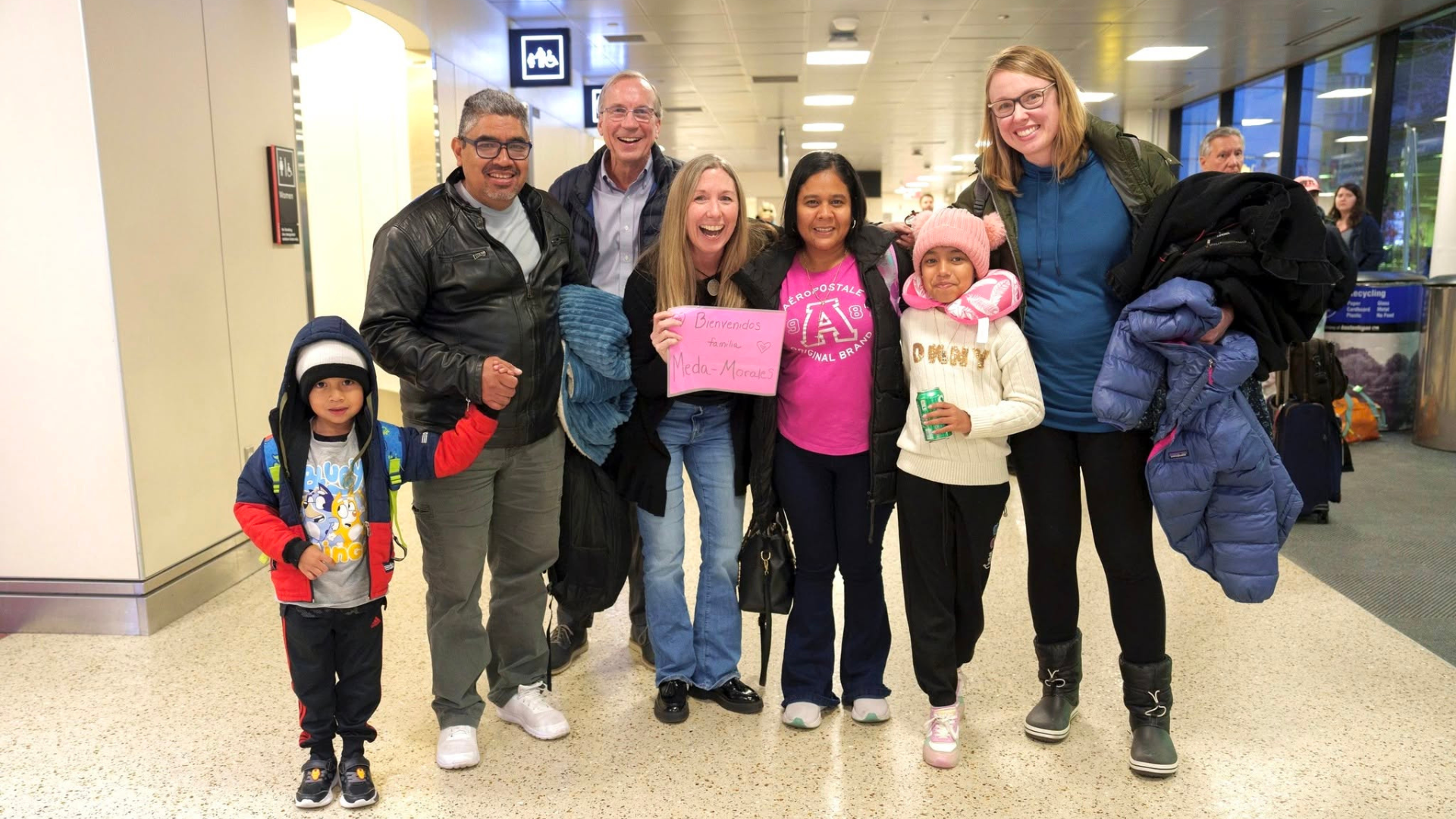
NSTs helped them secure housing, accompanied them to appointments, ensured they were well-fed, walked with them through language barrier challenges, and more.
They provided what often overwhelmed government resettlement case managers cannot: a personal, caring friend who is there to help in every step, large and small, toward making a new place home.
“The superpower of community is to welcome someone from the outside to the inside,” Davis-Edwards said. “To me, the definition of community is a group of people who share a common bond that says I belong here.”
The work went on, expanding to more refugees who came month after month. More than 1,000 refugees hailing from Afghanistan, Haiti, Ukraine, Venezuela, Syria, and 14 other countries have been served since 2021.
Neighborhood Support Teams have been developed in 38 states, made up of more than 5,000 community volunteers. More than 300 church communities have also bolstered the effort.
Welcome NST is built on love in action: that anyone from anywhere inherently holds the same value in their humanity, and that all deserve to be served with dignity.
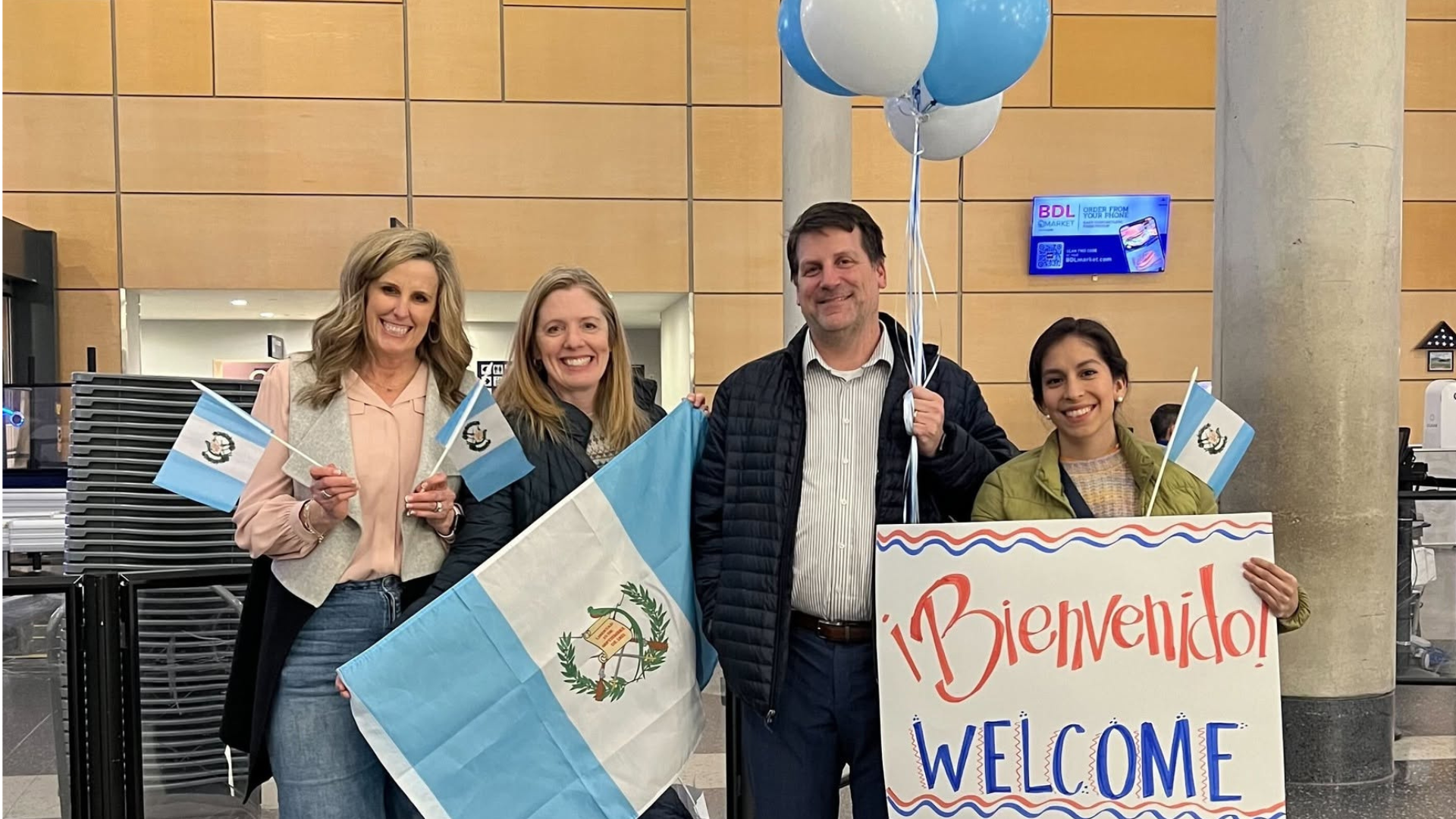
Resources like financial literacy training, employment support, legal assistance, and more are provided. Each set of needs is unique, but at the center is a simple commitment to show up and care.
“Just by somebody caring enough to show up and be there and walk with you when you are suffering or scared or feeling alone, that’s the thing you never forget,” Davis-Edwards said.
“We seem so different, but we’re really not. We’re all God’s children. We’re all human beings. At the end of the day, there’s something divine about remembering that fundamental truth. When we welcome somebody that seems so different, our hearts are opened in a new way.”
The work has shifted as immigration policy continues to rapidly develop, primarily in that there are few legal refugees or immigrants currently entering the U.S.
But Welcome NST’s work of offering those suffering comfort through community remains the same, now focusing on offering support to refugees and immigrants already legally in the country – many of whom are experiencing new barriers to self-reliance in a new land.
“I pray that as a people we will find God and that we will find each other as we do so,” Davis-Edwards concluded.
“We are all so much more the same than we are different... Our call as Christians – ‘I was hungry, and you gave me meat, I was thirsty, and you gave me something to drink.’ Find a person who’s struggling and exercise that principle. See what it does to your heart, then do it again.”
To learn more about Welcome NST’s work, click here.